
Craft a Brilliant World, Create a Better Life

National Chemical Leader, Global Engineering Pioneer
United Endeavor, Pragmatic Excellence

Innovation, Responsibility, Expertise, Win-Win

Who We Are
- 12hAfter-Sales Response
- Rapid after-sales response to ensure timely resolution of customer needs
- 99%Delivery Rate
- High delivery rate reflecting reliable supply chain and order fulfillment
- 100%Factory-Exit QC
- Full factory-exit quality control to guarantee product reliability
- 99%On-Time Delivery
- Consistent on-time delivery performance to support project schedules
What Can We Do



Our Responsibility
We are committed to being a leader in green chemistry and a benchmark for responsible development. ESG principles are deeply integrated into our business models, driving low-carbon innovation, safety compliance, and responsible collaboration. We dedicate ourselves to promoting sustainable transformation across the chemical industry.
News
View more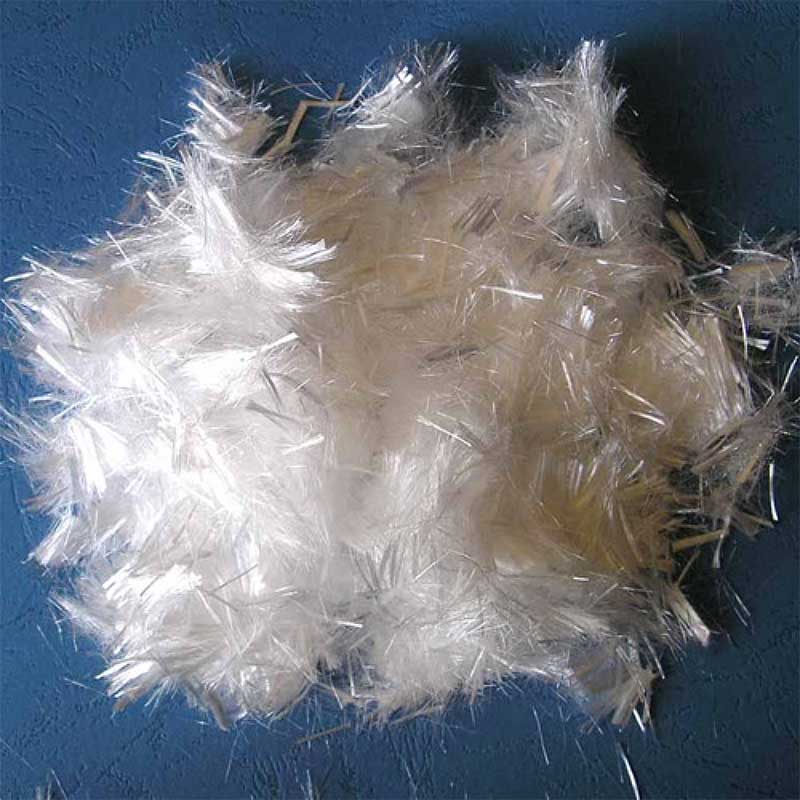
-
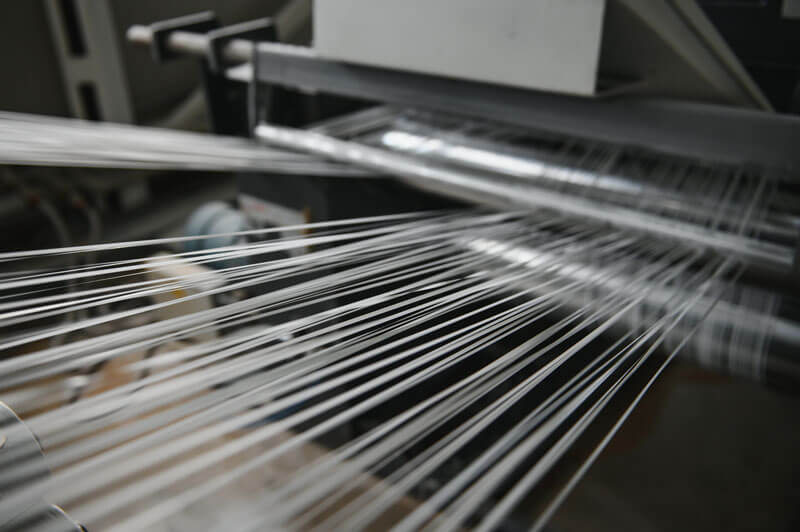
PP Monofilament Fiber Manufacturer & Supplier for Concrete Applications
From raw material sourcing to end-to-end quality control — a behind-the-scenes look at how industrial-grade polypropylene monofilament fibers are produced, certified, and delivered for structural concrete, shotcrete, precast, flooring, and tunnel lining projects worldwide.ISO 9001 Certified · OEM / Customization · Global Export · Bulk SupplyOur PP monofilament fiber production base operates multiple fully automated extrusion lines dedicated exclusively to concrete-grade polypropylene fiber. Each line integrates melt extrusion, quenching, drawing, surface treatment, and cutting into a continuous process — ensuring consistent diameter, uniform tensile strength, and low defect rates at industrial scale.Automated Extrusion Lines — Multi-line setup with precision screw extruders and closed-loop temperature control.On-Line Gauging — Real-time diameter and tension monitoring, with automatic rejection of off-spec segments.Dedicated Workshops — Separate zones for raw material storage, production, QC testing, and finished goods warehousing.The performance of PP fiber in concrete begins with the resin. We use virgin isotactic polypropylene homopolymer sourced from qualified petrochemical partners, selected for its high melt flow stability, consistent molecular weight distribution, and resistance to alkali environments. No recycled or regrind material enters the production line.Base resin: Virgin PP homopolymer, industrial grade with low volatile content.Masterbatch additives: UV stabilizers, processing aids, and color concentrates — all pre-qualified and dosed via gravimetric feeders.Surface modifier: Proprietary hydrophilic coating applied during the finishing stage to improve dispersion in wet concrete.Supplier qualification: Each resin batch is accompanied by a Certificate of Analysis (CoA) and verified against our incoming material specification before release to production.PP monofilament fiber for concrete is produced through a controlled melt-spinning and drawing process. The key to reliable crack-control performance lies in consistent fiber geometry, tensile properties, and surface characteristics — each tightly managed at every step.Step-by-step production flow:Raw material drying & blending — PP resin and functional masterbatches are dried to remove moisture and proportionally blended by automated gravimetric systems.Melt extrusion — The blend is fed into single-screw extruders, melted at controlled temperature profiles, and extruded through multi-hole spinnerets into fine filaments.Quenching — Extruded filaments are immediately cooled in a water bath to solidify the molecular structure and lock in initial diameter.Hot drawing — Filaments are drawn through heated ovens at controlled draw ratios to orient polymer chains and achieve target tensile strength and modulus.Surface treatment — A hydrophilic coating is applied to improve wettability and dispersion in cementitious mixes.Cutting — Continuous filament bundles are fed into precision cutters and chopped to the specified length with tight length tolerance.Sieving & dedusting — Cut fibers pass through vibrating sieves to remove clumps, fines, and foreign particles.Packaging & palletizing — Finished fibers are weighed, bagged, and palletized — ready for storage or shipment.Quality is enforced at every stage — not just at the end of the line. Our QC laboratory runs routine tests on incoming materials, in-process samples, and finished goods to ensure each batch meets published specifications and project-specific requirements.Incoming material inspection: Melt flow index (MFI), moisture content, ash content, and visual inspection of every resin batch.In-process monitoring: Real-time diameter measurement, line tension, draw ratio, and coating weight verification on each production line.Laboratory testing (finished goods): Fiber length distribution, diameter, tensile strength, elongation at break, and dispersion test in standard mortar mix.Application performance test: Flexural toughness and plastic shrinkage crack reduction tests conducted on reference concrete mixes.Batch traceability: Every production lot is assigned a unique batch number, with full records of raw material lot, production parameters, QC results, and shipping destination.Certification: ISO 9001 quality management system, with CoA issued for each shipment upon request.Our PP monofilament fiber portfolio covers the most commonly specified lengths and performance grades for concrete applications. Custom diameters, tensile strengths, colors, and lengths are available for OEM and project-specific orders.Standard performance grade range:Tensile strength: 350 – 600+ MPa (depending on grade and draw ratio)Elongation at break: 15 – 30% typicalMelting point: ~160 – 170 °CAlkali resistance: Excellent in high-pH cementitious environmentsAcid resistance: Good resistance to most inorganic acidsSpecific gravity: ~0.91 g/cm³With multiple production lines running in parallel, we support bulk orders for large infrastructure, commercial, and precast projects. Standard-grade fibers are kept in stock for fast dispatch; custom grades are produced to order with confirmed lead times.MOQ for standard grades: 1 metric tonMOQ for custom specifications: Project-dependent — contact us for detailsMonthly production capacity: Multiple metric tons per month across all linesLead time — standard products: 5 – 10 working days for stock itemsLead time — custom / OEM: 15 – 25 working days depending on specification complexitySpot stock: Popular lengths (6 mm, 12 mm, 19 mm) maintained in warehouse for quick shipmentFor large projects requiring staged delivery, we offer scheduled production and phased shipment plans aligned with site construction progress.We work with distributors, concrete admixture companies, and construction material brands around the world to deliver private-label and custom-formulated PP fiber products that match their market positioning and technical requirements.Custom Color — Natural, white, black, or custom-colored fibers using qualified color masterbatch.Custom Length & Diameter — Tailored fiber geometry for specific mix designs and application methods.Performance Grading — Different tensile strength / modulus grades for standard, mid-range, and high-performance projects.Private Label & Packaging — Your brand on bags, cartons, and pallets — with custom artwork and multilingual labels.Our engineering team supports custom formulation development from prototype sampling through production qualification, including small-batch trial samples for field testing and mix design validation.Packaging is designed to protect fiber quality during storage, handling, and long-distance transportation while adapting to different regional handling practices and customer preferences.Inner bags: Laminated PP woven bags or kraft paper bags with PE liner — moisture-resistant and dust-tight.Standard bag sizes: 1 kg, 5 kg, 10 kg, 20 kg, 25 kg — or custom weights upon request.Outer cartons: Corrugated fiberboard cartons for retail or distributor-ready packaging.Palletization: Standard export pallets with stretch wrap and strapping; fumigated pallets for destinations requiring ISPM 15 compliance.Container loading: 20' GP and 40' HC container loading plans optimized to maximize payload and minimize freight cost.Marking & labeling: Product name, specification, batch number, net weight, country of origin, and handling instructions — all customizable for OEM.We supply PP monofilament fiber to customers across Asia, the Middle East, Africa, Europe, and the Americas. Our export team handles the full shipping cycle — from documentation to customs coordination — to ensure on-time, hassle-free delivery.Incoterms: EXW, FOB, CFR, CIF, DAP — flexible to your logistics preference.Shipping modes: Sea freight (LCL / FCL), air freight, and cross-border land transport for neighboring regions.Documentation: Commercial invoice, packing list, bill of lading / AWB, Certificate of Origin, and product CoA — all prepared in-house.Certifications for export: ISO 9001, and additional test reports or compliance documents as required by the destination market.Warehousing & consolidation: Nearest-port warehouse storage and multi-supplier consolidation support for mixed container orders.Supplying the fiber is only the first step. Our technical team works with contractors, ready-mix producers, and engineers to ensure that PP fibers are dosed, mixed, and placed correctly — so the finished concrete performs as designed.Dosage & mix design consultation: Recommendation of fiber type, length, and dosage rate based on application, mix design, and performance targets.On-site / remote technical guidance: Guidance on mixing sequence, addition method, and quality control on the jobsite.Sample testing support: Lab data sheets and test reference protocols for flexural strength, shrinkage cracking, and impact resistance evaluation.Project-specific documentation: Technical data sheets (TDS), safety data sheets (SDS), and product certification packages for submittals.After-sales follow-up: Batch traceability and technical response for any field performance question or claim.For large or technically demanding projects, we can provide joint technical meetings with the engineer of record to align on specification language, test methods, and acceptance criteria.Ready to discuss your project? Tell us your fiber grade, length, quantity, and destination — our team will get back to you with a tailored proposal and pricing within 24 hours.
-
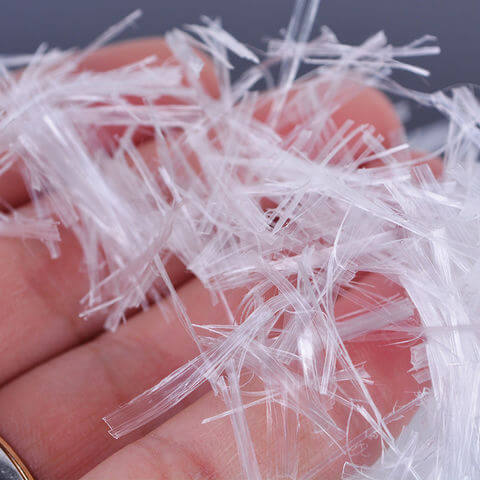
PP Monofilament Fiber Manufacturing Process: From PP Resin to Finished Fiber
PP monofilament fiber manufacturing is a controlled polymer-processing process that converts polypropylene resin into continuous, fine-diameter filaments with defined length, tensile strength, surface characteristics, and dispersion performance. For concrete and mortar applications, the final fiber performance depends not only on the polypropylene resin itself, but also on extrusion conditions, spinning, drawing ratio, cooling, surface treatment, cutting accuracy, and quality control.A typical production route can be summarized as:PP Resin → Extrusion → Spinning → Drawing → Cooling → Surface Treatment → Cutting → Quality Control → PackagingFor buyers sourcing PP monofilament fiber from a manufacturer, understanding this process helps explain why two fibers with similar nominal dimensions may perform differently in concrete or mortar.The manufacturing process begins with polypropylene (PP) resin selected according to the required fiber properties and end application.The resin must provide suitable:Melt flow characteristicsMolecular weight and molecular-weight distributionThermal stabilityProcessabilityMechanical performanceChemical resistanceConsistent batch qualityFor concrete applications, polypropylene is particularly useful because it has low density, good chemical resistance, and good resistance to the alkaline environment associated with cementitious materials.The resin selection also affects the subsequent extrusion and drawing process. A resin with unsuitable melt characteristics can make it difficult to maintain stable filament dimensions or achieve the required tensile properties.For this reason, an experienced PP Monofilament Fiber Manufacturer typically controls resin sourcing and incoming raw-material inspection before production begins.After the polypropylene resin is prepared, it is fed into an extruder.Inside the extruder, the resin passes through several stages:Feeding → Melting → Mixing → Homogenization → MeteringThe polymer is heated above its melting range and transformed into a uniform polymer melt.Why is extrusion important?The extrusion stage determines whether the polymer melt entering the spinning section is:UniformStableFree from excessive contaminationConsistent in temperatureConsistent in flow rateA stable melt is essential for producing filaments with consistent diameter.If the melt temperature or pressure fluctuates significantly, the resulting filament can show:Diameter variationUneven thicknessSurface defectsBreakage during drawingInconsistent mechanical propertiesTherefore, temperature, screw speed, melt pressure, throughput, and filtration need to be controlled during extrusion.After extrusion, the molten polypropylene is delivered to a spinneret or die containing multiple precisely designed openings.The polymer melt is forced through these openings to form continuous filaments.At this stage, the fiber has already taken its basic filament form, but it has not yet achieved its final mechanical properties.The spinneret design has an important influence on:Initial filament diameterCross-sectional geometryFilament uniformityProduction stabilitySurface qualityFor conventional PP monofilament fiber, the objective is generally to produce a stable, continuous filament that can subsequently be stretched and oriented during drawing.Drawing is one of the most important stages in PP monofilament fiber manufacturing.After spinning, the newly formed polymer filament contains polymer chains that are not yet sufficiently oriented along the fiber axis.The filament is therefore stretched under controlled conditions.This process is known as drawing.What does drawing do?Drawing primarily:Orients polymer chains along the fiber directionIncreases tensile strengthImproves dimensional consistencyReduces filament diameterImproves the efficiency of the polymer structureControls the final fiber propertiesA simplified concept is:Undrawn filament → Controlled stretching → Molecular orientation → Higher-performance filamentThe drawing ratio must be carefully controlled.If the filament is insufficiently drawn, it may have:Lower tensile strengthPoor dimensional stabilityLower orientationIf it is excessively drawn, the filament may become:Too brittleMore difficult to processMore susceptible to breakage during productionTherefore, the appropriate drawing conditions depend on the PP resin, target diameter, target tensile strength, production speed, and final application.Diameter control is one of the key technical challenges in monofilament production.The final diameter is influenced by several interconnected variables:5.1 Spinneret DesignThe spinneret opening establishes the initial geometry of the extruded filament.5.2 Polymer ThroughputThe amount of polymer passing through each opening affects the initial filament size.5.3 Drawing RatioIncreasing the drawing ratio generally reduces the filament cross-sectional area while increasing molecular orientation.5.4 Line SpeedProduction speed and take-up speed influence the final filament dimensions.5.5 Melt Temperature and ViscosityStable melt viscosity helps maintain consistent extrusion.5.6 Online and Offline InspectionProduction control should be supported by dimensional measurement and sampling inspection.In practical manufacturing, diameter is therefore not controlled by one parameter alone. It is the result of coordinating:Resin → Extrusion → Spinneret → Throughput → Drawing → Take-up speedThis is particularly important when customers require different fiber fineness or customized specifications.After spinning and/or drawing, controlled cooling is used to stabilize the polymer filament.Cooling conditions affect:Filament shapeDimensional stabilityCrystallinitySurface qualitySubsequent processing behaviorCooling that is too rapid or poorly controlled can create undesirable stresses or dimensional instability.On the other hand, insufficient or inconsistent cooling may make it difficult to maintain stable filament geometry.For this reason, cooling conditions need to be matched with the polymer grade, production speed, and filament specification.The increase in tensile strength during drawing is mainly related to molecular orientation.Before drawing, polymer chains have a relatively disordered arrangement.During controlled stretching, the chains become increasingly oriented along the fiber axis.This creates a more efficient load-bearing structure.Conceptually:PP melt → Initial filament → Drawing → Molecular orientation → Improved tensile performanceHowever, tensile strength does not depend on drawing alone.It is also influenced by:PP resin characteristicsMolecular structureDrawing ratioProcessing temperatureCooling conditionsFinal diameterProduction stabilityThis is why simply specifying a high tensile strength value does not fully describe fiber quality.A professional manufacturer should evaluate tensile strength together with:DiameterLengthElongationDensitySurface characteristicsDispersion behaviorPolypropylene is naturally hydrophobic, while cementitious systems are water-based.This difference can influence how fibers interact with the cement matrix and how easily they disperse during mixing.Depending on the product design, surface treatment or other fiber-processing techniques may be used to improve:Fiber handlingDispersionWetting behaviorFiber distributionCompatibility with the intended applicationThe goal is not simply to make the fiber more hydrophilic. The treatment needs to be compatible with the intended concrete or mortar system.Why is dispersion important?If fibers are not distributed uniformly, they may form:ClumpsFiber ballsUneven concentrationsThis can reduce the consistency of fiber distribution throughout the concrete.Therefore, fiber geometry + surface characteristics + cutting accuracy + mixing procedure all contribute to dispersion.For customers requiring specific dispersion characteristics, customized fiber specifications may be developed by the PP Fiber Manufacturer according to the application and mixing conditions.Once the continuous filament has reached the required physical characteristics, it is cut into predetermined lengths.Typical PP monofilament fiber lengths may include:3 mm6 mm9 mm12 mm18 mmOther lengths can be produced depending on application requirements and manufacturing capability.How is fiber length controlled?The main factors include:Cutting equipmentCutter speedFilament feed speedCutting frequencyBlade conditionProduction synchronizationThe objective is not only to achieve a nominal length but also to maintain a narrow length distribution.For example, if a product is specified as 12 mm fiber, excessive variation around the nominal length can affect:DispersionMixingFiber distributionHandlingApplication consistencyTherefore, length tolerance should be defined and checked as part of product quality control.Quality control should not begin only after the fiber has been produced.A reliable PP monofilament production system uses process control throughout the entire manufacturing chain.10.1 Raw Material InspectionTypical checks include:PP resin specificationBatch consistencyMelt characteristicsAppearanceContamination10.2 Extrusion ControlProduction personnel monitor:TemperatureMelt pressureExtrusion stabilityThroughputFilament formation10.3 Dimensional InspectionFinished fiber can be checked for:Fiber lengthDiameterDimensional uniformityWeight consistency10.4 Mechanical TestingDepending on product requirements, testing may include:Tensile strengthElongationOther relevant mechanical properties10.5 Appearance InspectionThe finished fiber should be checked for:Surface defectsUneven diameterContaminationExcessive deformationCutting defects10.6 Dispersion and Application EvaluationFor concrete-oriented products, laboratory evaluation can also consider:Dispersion behaviorMixing performanceFiber distributionCompatibility with concrete or mortar systemsA comprehensive QC system helps ensure that the specification listed on the product datasheet corresponds to actual production performance.After inspection, qualified PP monofilament fiber is packaged according to the customer's requirements.Packaging may be designed around:Bag weightCarton configurationPalletizationExport requirementsMoisture protectionLabelingCustomer brandingFor B2B customers, packaging is also part of supply-chain efficiency.A manufacturer may offer different packaging configurations for:Distributor ordersConcrete admixture suppliersConstruction-material manufacturersLarge-volume industrial customersOEM/private-label ordersThe complete manufacturing process can therefore be summarized as:PP Resin↓Extrusion↓Spinning↓Drawing↓Cooling↓Surface Treatment↓Cutting↓Quality Control↓Packaging↓Finished PP Monofilament FiberEach stage contributes to the final product.In particular:For professional buyers, it is useful to understand that fiber performance is the result of several parameters working together.Target PropertyMajor Manufacturing FactorsFiber DiameterSpinneret, throughput, drawing ratio, line speedFiber LengthCutting speed, feed speed, cutter accuracyTensile StrengthResin, drawing ratio, molecular orientationElongationResin characteristics, drawing conditionsDispersionFiber geometry, surface characteristics, length and diameterDimensional StabilityCooling, drawing and process controlBatch ConsistencyRaw material and process/QC controlThis is also why buyers should avoid evaluating a PP monofilament fiber based on a single specification.For example, two products may both be listed as 12 mm PP fiber, but differences in diameter, tensile strength, surface characteristics, manufacturing consistency and dispersion can lead to different handling and application performance.For bulk buyers, choosing a PP Monofilament Fiber Manufacturer rather than evaluating only the product specification can provide additional advantages.A capable manufacturer can potentially provide:Stable batch-to-batch productionCustomized fiber lengthCustomized diameterCustomized tensile propertiesCustomized packagingOEM/private-label productionTechnical supportProduction-scale supplyQuality documentationThis becomes particularly important when the buyer has a fixed concrete mix design or requires a specific fiber specification for a large-scale project.Instead of simply asking:“Do you supply 12 mm PP fiber?”a professional procurement specification may include:Fiber typeLengthDiameterTensile strengthElongationDensityPackagingAnnual volumeApplicationRequired certificatesA qualified PP Monofilament Fiber Manufacturer & Supplier can then evaluate whether the requested specification can be produced consistently.The production of PP monofilament fiber is much more than simply extruding polypropylene and cutting it into short pieces.A controlled manufacturing process integrates:PP Resin → Extrusion → Spinning → Drawing → Cooling → Surface Treatment → Cutting → QC → PackagingAmong these stages, drawing is particularly important because it develops molecular orientation and contributes significantly to tensile performance, while extrusion, spinneret design and drawing conditions work together to control diameter. Cutting equipment determines final fiber length, while fiber geometry and surface characteristics influence dispersion during concrete or mortar mixing.For B2B buyers, the most important consideration is therefore not only the nominal product specification but also the manufacturer's ability to maintain consistent production, control key parameters, provide customized specifications and support application-specific requirements.Need customized PP monofilament fiber specifications? Contact our manufacturing team.